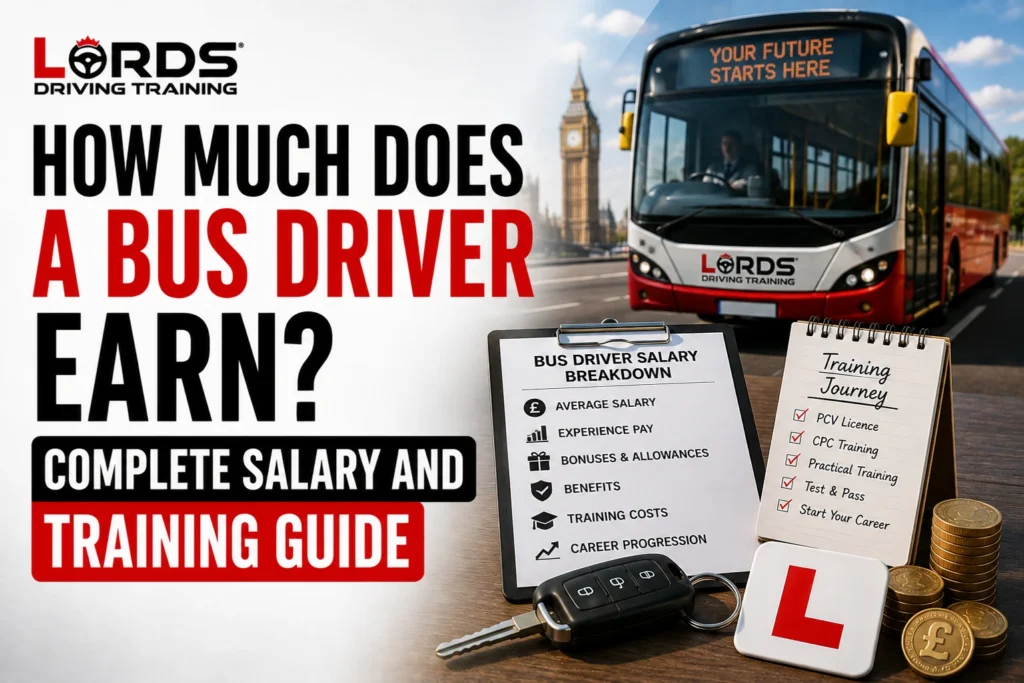
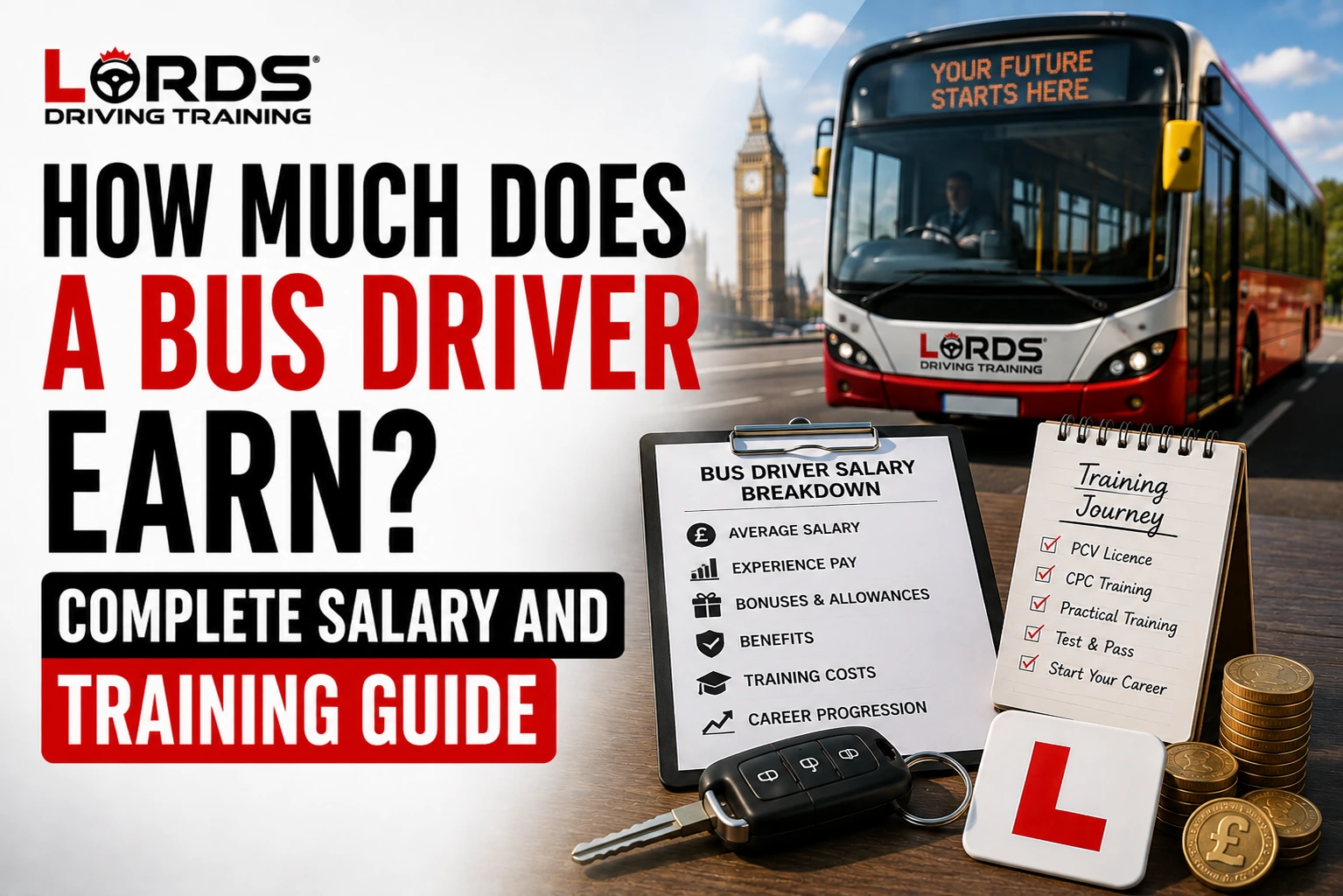
Starting a career as a commercial passenger driver in public transportation offers steady employment, strong job security, and excellent opportunities for progression. With public transport operators actively recruiting across Greater Manchester, enrolling in professional bus driver training in bolton provides a clear pathway into a well-paid driving role. Choosing an established provider like Lords Driving Training—renowned across Bolton and Greater Manchester for expert instruction and high pass rates—ensures you master large vehicle controls while learning directly from industry experts. Before committing to a career path, many prospective candidates want to know: how much does a bus driver earn? In this complete guide, we cover typical bus driver earnings, key factors influencing your paycheck, and how to get your commercial licence.
Average Bus Driver Earnings Across the UK
When evaluating potential income, the average bus driver salary uk wide typically ranges from £28,000 to £35,000 per year for full-time positions. This equates to an average bus driver wage uk rate of £14.00 to £17.50 per hour.
For newly qualified drivers stepping into their first entry-level role, starting bus driver wages generally begin around £22,000 to £25,000 annually. As you build experience, pass your initial probationary period, and gain familiarity with local transit routes, earnings increase noticeably.
Experienced drivers working for major regional transit authorities or municipal operators often earn between £32,000 and £38,000+ per year. Drivers who take on specialized routes, such as long-distance express coaches or night services, can see their total annual compensation exceed £40,000.
Key Factors That Influence Bus Driver Salaries
Understanding how much do bus drivers make requires looking at several operational variables that affect individual earnings:
- Geographic Location: Drivers working in London and major metropolitan hubs usually command higher base pay rates to offset local cost of living. Regional drivers across Greater Manchester and the North West benefit from competitive baseline salaries backed by strong union agreements.
- Shift Premiums and Unsocial Hours: Operating early morning, late evening, weekend, or bank holiday routes usually includes enhanced hourly rates. Working these unsocial shifts adds thousands of pounds to your annual total.
- Overtime Availability: High service demand means overtime opportunities are readily available across most depots. Drivers willing to work extra rest-day shifts can significantly increase their annual income.
- Public vs Private Operators: Local city transit departments and corporate coach charter companies offer differing pay structures, bonus incentives, and pension packages.
Step-by-Step Guide to Becoming a PCV Driver
To qualify for passenger transport positions, you must earn a Category D Passenger Carrying Vehicle (PCV) entitlement on your driving licence. Getting qualified involves a straightforward multi-step process:
- Obtain Your Provisional Licence: Submit your D2 application form alongside a D4 medical examination completed by a registered physician.
- Pass Your Theory Exams: Complete the DVSA multiple-choice and hazard perception theory tests tailored to passenger vehicles.
- Complete Practical Driver Training: Undertake hands-on vehicle instruction with an accredited training provider to master large vehicle control and safety maneuvers.
- Earn Your Driver CPC: Complete your Driver Certificate of Professional Competence modules to drive legally for commercial payment.
Learning with a trusted, top-rated institution like Lords Driving Training gives you a distinct advantage. Their DVSA-registered instructors deliver tailored 1-on-1 instruction, guiding you through real-world test routes in Bolton to ensure you pass your PCV test efficiently and step into high-paying job opportunities with confidence.
Comparing Bus Driver Pay to Other Commercial Roles
When asking how much do bus drivers earn compared to heavy goods vehicle (HGV) drivers, passenger transportation offers unique career advantages:
- Daily Home Time: Unlike long-distance freight drivers who spend multiple nights away from home in truck sleeper cabs, bus drivers complete structured daily shifts and return home every night.
- Consistent Shift Schedules: Public transit operates on predictable timetables, providing stable shift patterns that make work-life balance easy to plan.
- Direct Community Engagement: Passenger transport is ideal for individuals who enjoy customer service and interacting with the public daily.